
By Nick Sullivan
The Charlotte Observer
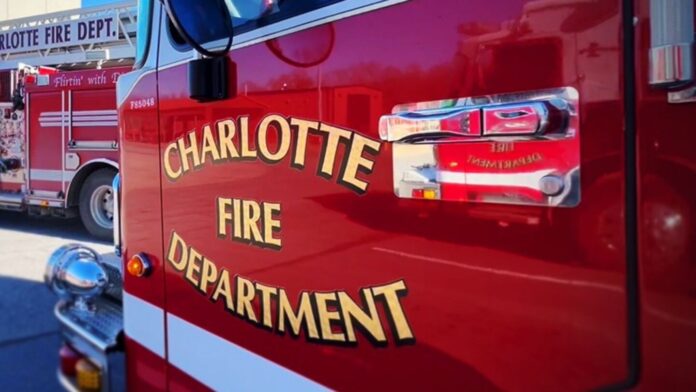
CHARLOTTE, N.C. — Rising costs and long manufacturing delays are making fire trucks more difficult than ever to replace.
That’s pushing the Charlotte Fire Department “dangerously close” to service disruptions, according to Mike Feneis , president of the Charlotte chapter of the international firefighters union. The city will have to invest more money into the department to keep things running smoothly, he said.
| MORE: How the Grand Rapids Fire Department turned its fleet around
The fire department traditionally cycled aging trucks out of service based on a long-term replacement schedule. Fire apparatus should stay on the frontline for five to eight years before moving to the reserve fleet, which consists of older vehicles that sub in during repairs, Feneis said.
Exorbitant price tags have challenged that schedule and depleted the reserve fleet.
“We’re riding in these trucks longer. They’re breaking down more. They’re costing more to maintain because we can’t replace them with new trucks,” Feneis said.
Charlotte purchases fewer fire trucks each year because they cost hundreds of thousands of dollars more today than just five years ago, Feneis said. And orders that once took 10 months to fill now have a wait time of 2-3 years.
The department is “begging” the city for more money to purchase fire trucks and prevent a troubling situation Feneis expects to unfold “within the next few years, if not sooner.”
“It’ll be incidents where there’s a fire reported very close to the firehouse, and the truck won’t start. Or it’ll be, there’s someone trapped in a window, and our aerial ladder will not work. It’ll be, we go to pump water at a fire through the engine, and it won’t work,” Feneis said. “These are issues that could happen in an aging fleet, and it’ll be soon if we don’t get ahead of it.”
In a written statement, the city said it has a capital equipment fund to pay for annual vehicle replacements and regularly monitors the conditions of both frontline and reserve fire apparatus.
Why are fire trucks so much more expensive?
Charlotte isn’t alone.
Fire departments across the country face the same issue, said Walt Dix , district vice president for the International Association of Fire Fighters. He represents firefighters in Florida , Georgia , the Carolinas, Puerto Rico and the Caribbean Islands .
Atlanta recently suffered a string of severe breakdowns without a sufficient reserve, Dix said. That caused extended response times, which can lead to further property damage, potential injuries or even death.
“It’s creating a safety issue for us. And it’s creating a safety issue for the public,” Dix said.
Departments started to notice delivery bottlenecks during the pandemic, said Tim Burn , spokesperson for the International Fire Fighters Association . The issue has only accelerated since then.
And even after municipalities enter into a contract at double or triple the standard price, manufacturers still come back asking for more money before they’ll fulfill the order.
“And they’re kind of stuck at that point. They’re already a year, year and a half, two years into an order, and then they get hit with a price increase,” Dix said.
Only a handful of major fire truck manufacturers operate in the United States . Private equity groups purchased most of them, effectively cornering the market, Dix said.
The issue is starting to catch legislators’ attention.
In September, the association’s general president, Edward Kelly , called for federal intervention during a testimony before the U.S. Senate . He suggested the consolidation allowed corporate interests to hike prices at the expense of public safety.
The association also co-authored a letter to the Department of Justice and Federal Trade Commission last year calling for both agencies to launch investigations. And several municipalities, including Los Angeles County and the city of Milwaukee , have filed suit against manufacturers, while the Texas attorney general launched an investigation into “potential anticompetitive conduct” in February.
How Charlotte is responding
Feneis said Charlotte shouldn’t shoulder the blame for the safety “fiasco.” It’s of the manufacturers’ making.
“But if we recognize that’s the way it’s going to be, then we have to order more every year knowing we’re going to get fewer the longer it goes,” Feneis said. “(City leaders) always talk about public safety being a priority, but it has been years since they have actually put money to make it a priority.”
In a written statement provided by spokesperson Jack VanderToll , the city budget team acknowledged long wait times for new fire apparatus. The city responded last year by purchasing three stock ladder trucks to “reduce the age of the fleet in the short-term.”
Stock trucks are quicker to produce because they are pre-built and aren’t designed to the city’s specifications, as is typical for new apparatus. The department retrofits them upon receipt.
Feneis said the stock trucks are a Band-Aid fix, not a solution. He wants the city to set aside more money for bulk orders of trucks and ladders in next year’s budget. The City Council will continue to discuss the budget over the next several months before approving a final version, which will take effect July 1 .
The city has also been investing in new fire stations, including the all-electric station that opened this year in southwest Charlotte and the upcoming Firehouse 46 that broke ground in the northwest part of the city last summer.
“And if we have to put old, broken down apparatus in there and rely on that, that’s not really progress, is it?” asked Dix.

A divided Quincy City Council blocked funding for new turnout gear despite testing that found cancer-linked chemicals in the current equipment

A recall effort targets three Loveland Rural Fire Protection Board directors as debate intensifies over the fate of Fire Chief Tim Sendelbach

Howard County and neighboring firefighters trained on removing burning electric vehicles, monitoring hazards and adapting tactics for high-risk EV fire incidents

Retired firefighter and longtime motorsports safety official Billy Hurt was killed when two emergency vehicles collided while responding to a crash during a sprint car race
©2026 The Charlotte Observer.
Visit charlotteobserver.com.
Distributed by Tribune Content Agency, LLC.

$50,000 in fire department grants and 350 pancake breakfast fundraiser kits will be awarded

