
Bayer AG is preparing to announce a $10.5 billion settlement push to resolve current and future cancer lawsuits over its top-selling Roundup weedkiller, according to people familiar with the plan.
The German conglomerate is set to propose a $7.5 billion class-action settlement through cases filed in state court in Missouri designed to resolve Roundup suits that already have been filed and potential claims that could be filed over a 20-year period, according to the people, who spoke on condition of anonymity because they weren’t authorized to speak publicly about the deal.
As part of the effort, Bayer is also poised to announce $3 billion in settlements of existing US cases in which former Roundup users blame the herbicide for causing their non-Hodgkins lymphoma, the people said.
Roundup litigation has plagued the German conglomerate since it bought Monsanto for $66 billion and inherited a string of suits that have cast a lingering cloud over its shares. The company already has paid more than $10 billion in verdicts and settlements over the herbicide and its active ingredient, glyphosate.
After years of fighting Roundup cases in the US, Bayer still faces about 67,000 claims from plaintiffs who allege that long-term exposure to glyphosate caused their cancer. Bayer officials have insisted the weedkiller is safe and point to the US Food and Drug Administration’s finding the herbicide isn’t a carcinogen.
Bayer is making the move after the US Supreme Court agreed last month to hear its appeal of a $1.25 million Missouri jury verdict against the company’s Monsanto unit over Roundup on the grounds some of the claims in the 2023 case were preempted by federal law.
The litigation has cast such a pall over Bayer that Chief Executive Officer Bill Anderson has said he’s weighing whether to stop making glyphosate altogether.
Bayer officials in the U.S. didn’t immediately return an email seeking comment on the settlement effort Tuesday.
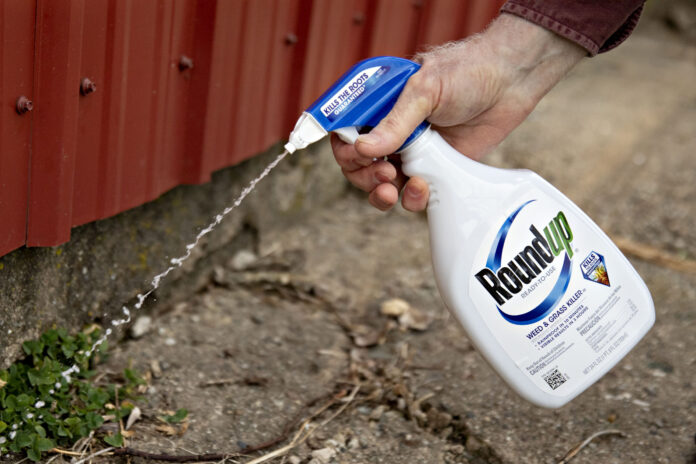
Top photo: Weeds are sprayed with a bottle of Bayer AG Roundup brand weedkiller. Photographer: Daniel Acker/Bloomberg.
Copyright 2026 Bloomberg.
Was this article valuable?
Here are more articles you may enjoy.

Want to stay up to date?
Get the latest insurance news
sent straight to your inbox.

